Modern commercial buildings across the Gold Coast rely on high-capacity data networks to handle continuous high-definition video streams and automated access logs. As security setups expand to include multiple 4K surveillance cameras, intelligent alarm hubs, and cloud management software, traditional copper wiring can encounter bandwidth bottlenecks. Upgrading your building’s backbone with professional fibre optic cabling in the Gold Coast delivers the speed, bandwidth, and long-distance reliability required for seamless site security.
Understanding how fibre optic technology supports security infrastructure helps business owners and facility managers build future-proof commercial networks. Exploring core benefits, structural installation factors, and network integration clarifies why high-speed glass fibre cable outperforms standard copper wiring across large commercial footprints.
Why Fibre Optic Cable Superiority Matters for Site Security
Fibre optic lines transmit data as light pulses through ultra-thin glass strands rather than electric signals over copper wire. This fundamental difference unlocks massive bandwidth advantages for modern commercial security deployments.
- Immunity to Electromagnetic Interference (EMI): Fibre cables run adjacent to heavy machinery, high-voltage power lines, or elevator motors without experiencing data loss or signal degradation.
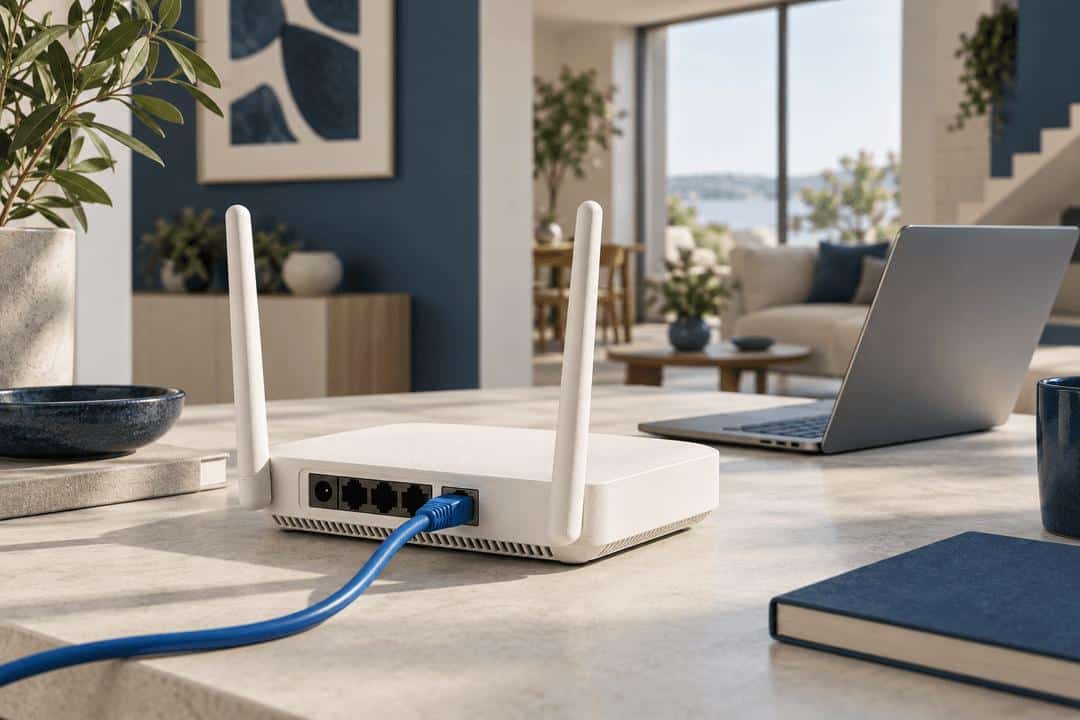
- Exceptional Distance Capabilities: Standard Ethernet copper cabling suffers from signal loss past 100 meters, whereas single-mode fibre transfers data across kilometers without signal boosters.
- Future-Proof Bandwidth Capacity: Optical fibre handles multi-gigabit data streams effortlessly, accommodating future hardware additions without requiring complete recabling.
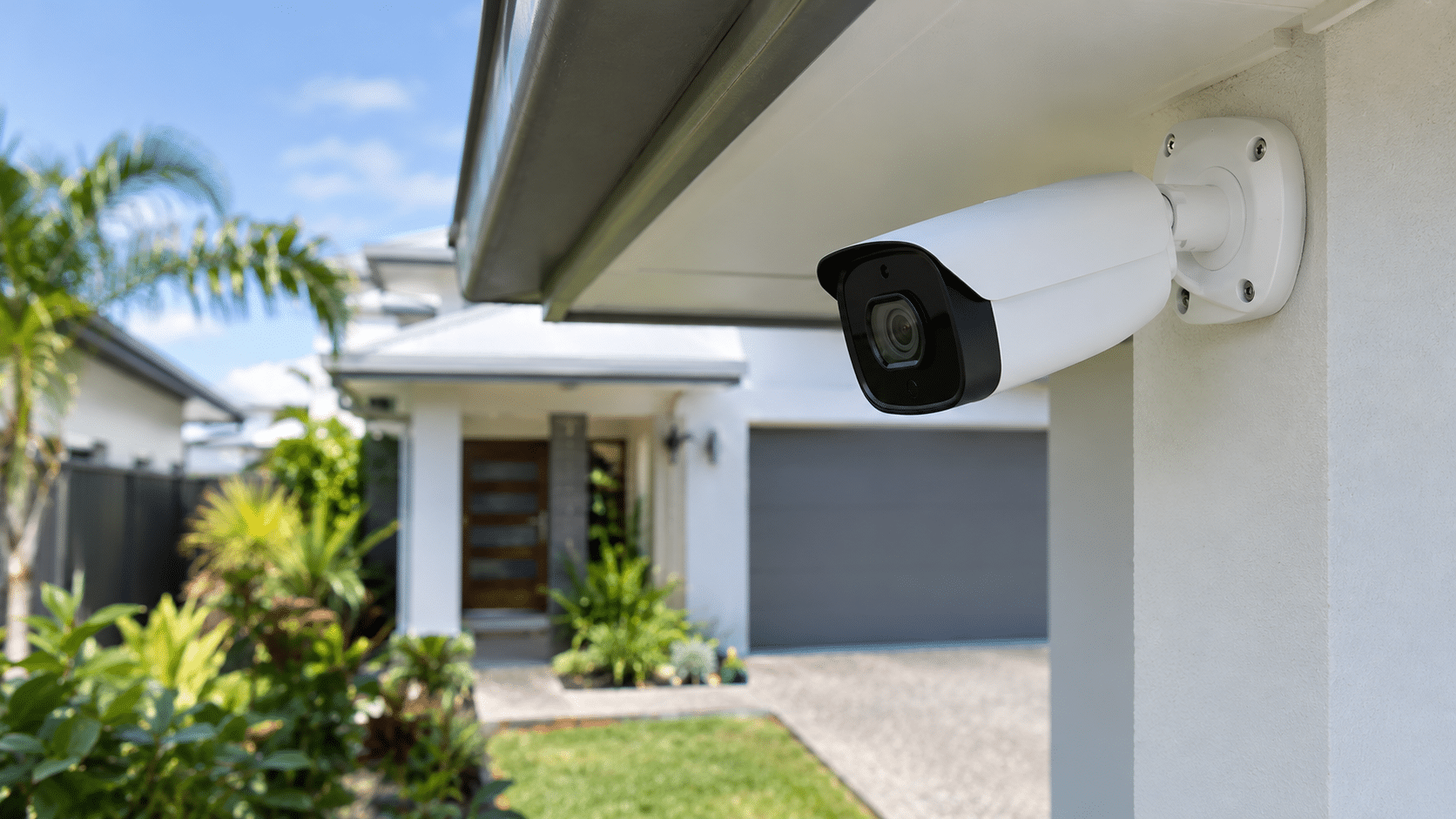
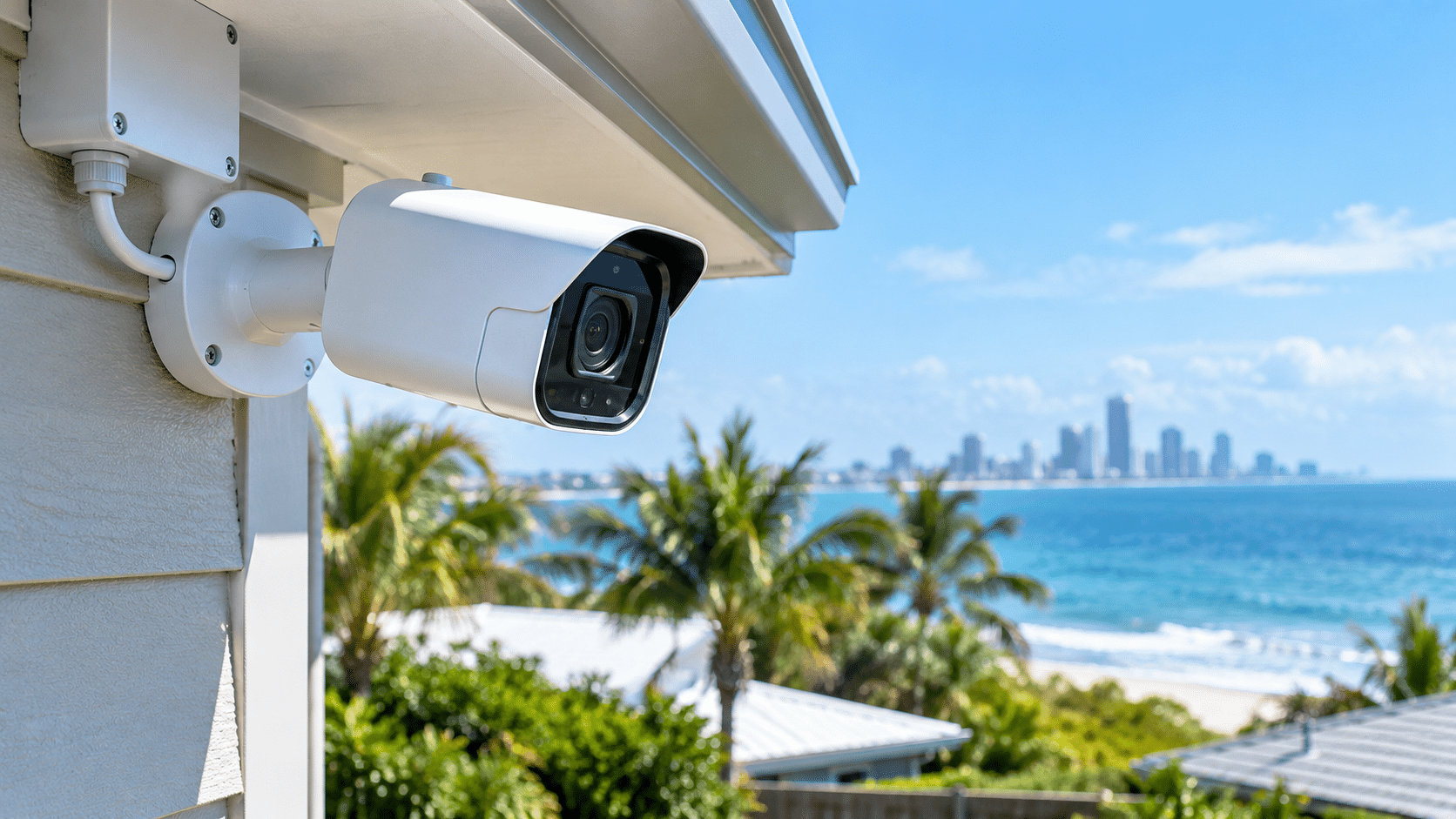
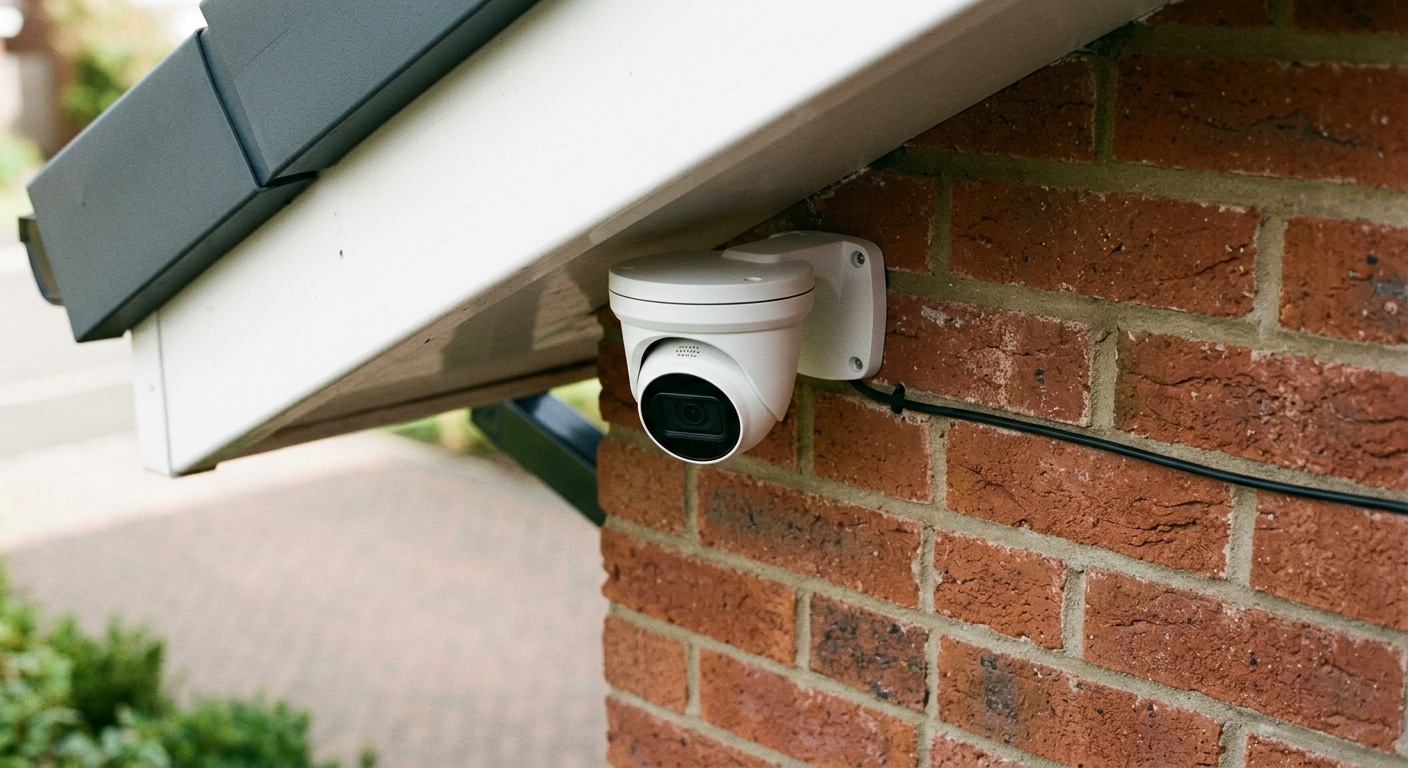
Eliminating data bottlenecks ensures that multi-camera IP security networks stream smooth 4K video feeds to central Network Video Recorders (NVRs) without dropping frames or buffering.
Single-Mode vs. Multi-Mode Fibre Cabling for Business Facilities
Selecting the correct optical fibre specification depends on your property size, building layout, and total data transfer requirements across the facility.
Multi-Mode Fibre Optic Cabling
Multi-mode fibre uses a larger light-carrying core, making it an ideal choice for short-distance, high-bandwidth applications within a single building. Multi-mode installations cost-effectively connect server rooms to floor distribution racks, local workstation switches, and indoor security hubs.
Single-Mode Fibre Optic Cabling
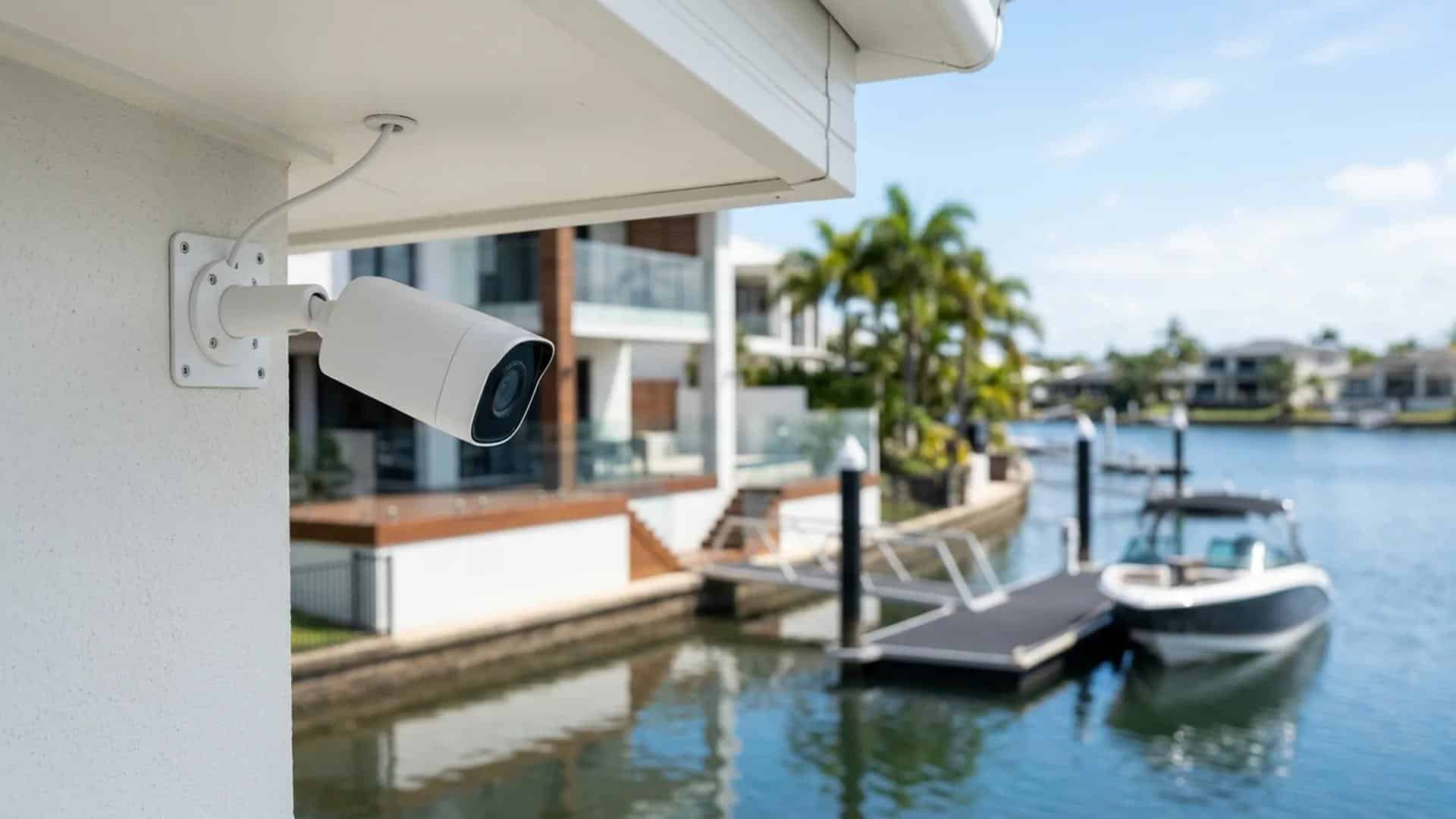
Single-mode fibre features a microscopic core that carries light directly along a single path over long distances. It serves as the primary backbone for multi-building commercial complexes, school campuses, warehousing precincts, and outdoor perimeter security installations across South East Queensland.
Integrating High-Speed Fibre Networks with Active Surveillance
High-resolution surveillance networks generate substantial data volumes that strain standard office networks. Connecting remote outdoor cameras or building wings via optical fibre ensures reliable video delivery to central management desks.
Reviewing our guide on how to choose the best construction site security cameras highlights the value of stable, long-range data connections for remote property monitoring. Linking high-bandwidth camera hubs via optical backbones guarantees smooth live viewing and uninterrupted local hard drive recording during peak network usage.
Professional Fusion Splicing and Testing Standards
Installing optical fibre cabling requires specialized termination tools, precision cleaving equipment, and fusion splicing machines. Unlike basic copper terminations, connecting glass fibre strands demands microscopic alignment to prevent light loss at joint points.
Licensed data technicians perform Optical Time-Domain Reflectometer (OTDR) testing on every completed fibre link. OTDR testing verifies signal loss parameters, measures cable length, and confirms that optical terminations comply with Australian telecommunications standards. Certified deployment prevents intermittent connection drops and guarantees optimal data transfer across your security network.
Building a Resilient Data Foundation for Your Commercial Premises
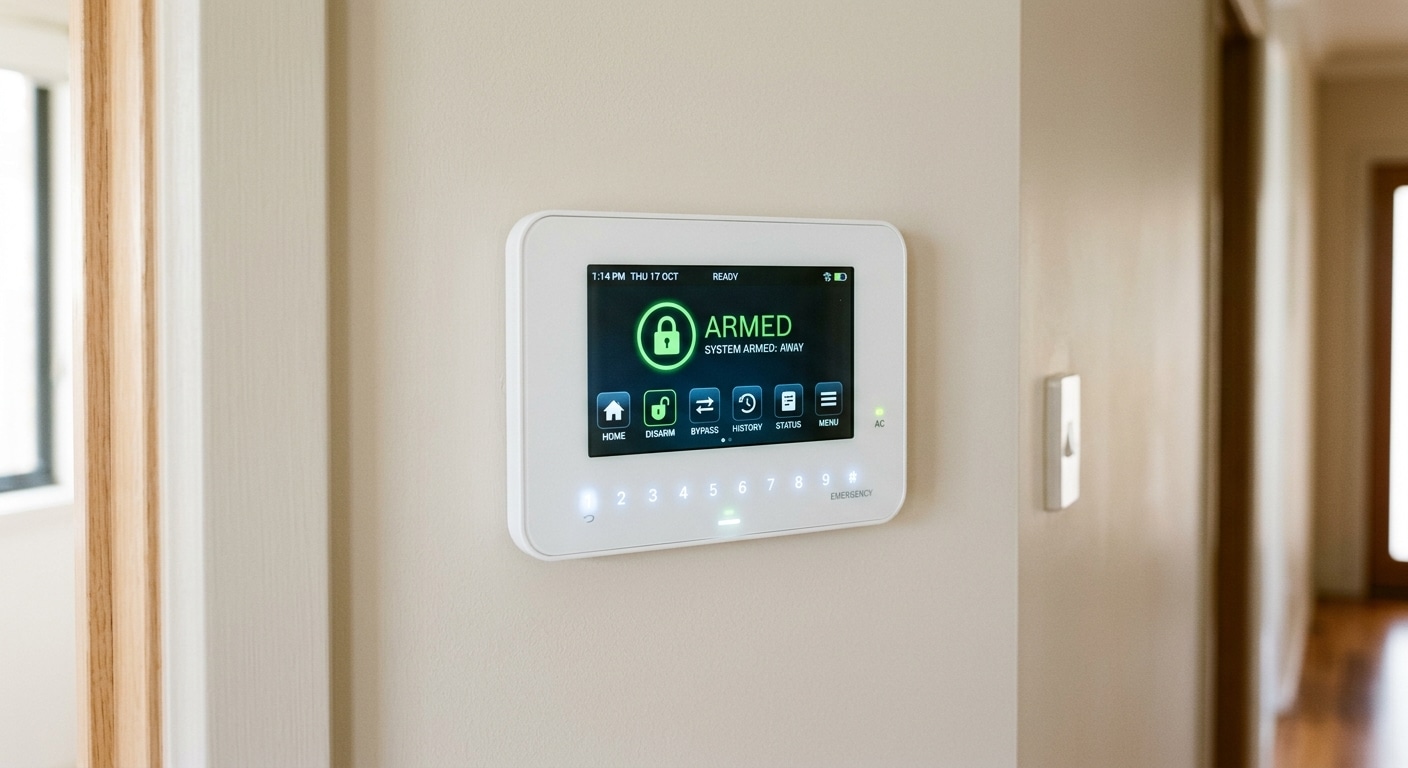
Investing in high-speed optical fibre cabling establishes a fast, reliable backbone for your security hardware, access management, and general business data networks. Upgrading your infrastructure ensures your building handles modern high-definition hardware today while preparing your facility for future technological upgrades.
Our certified technicians can design, splice, and install custom optical fibre infrastructure for your Gold Coast property, so contact our team for a free quote today.