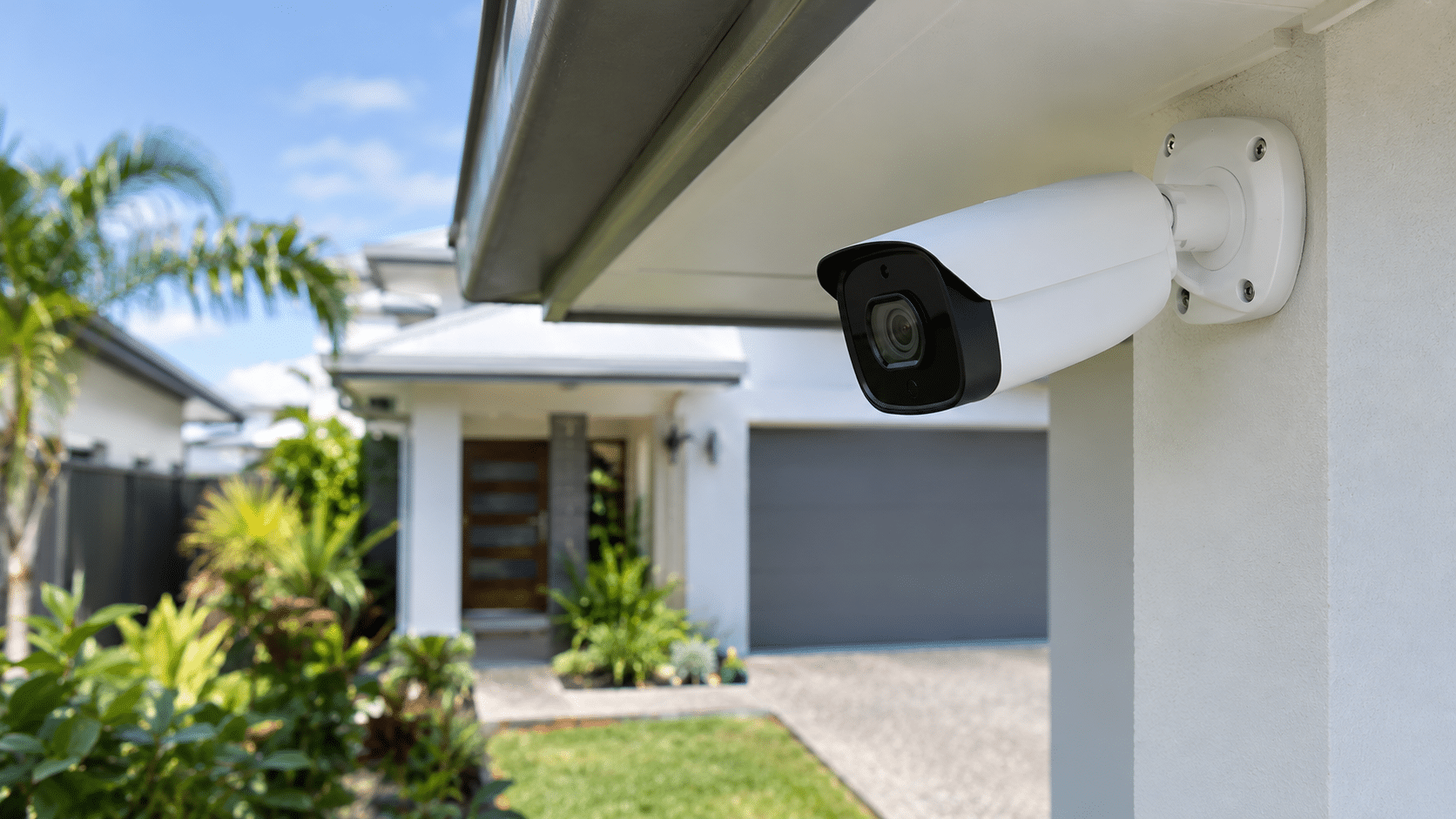
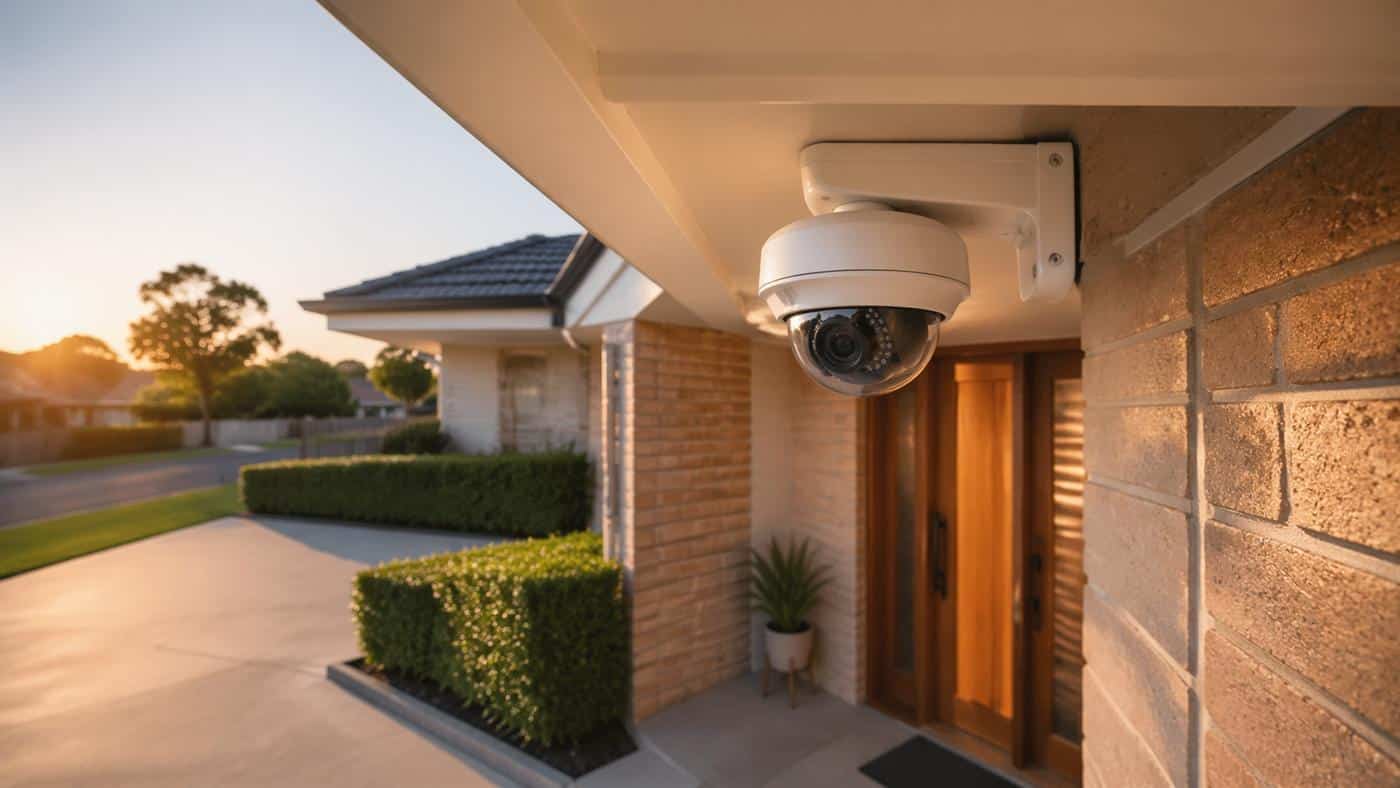
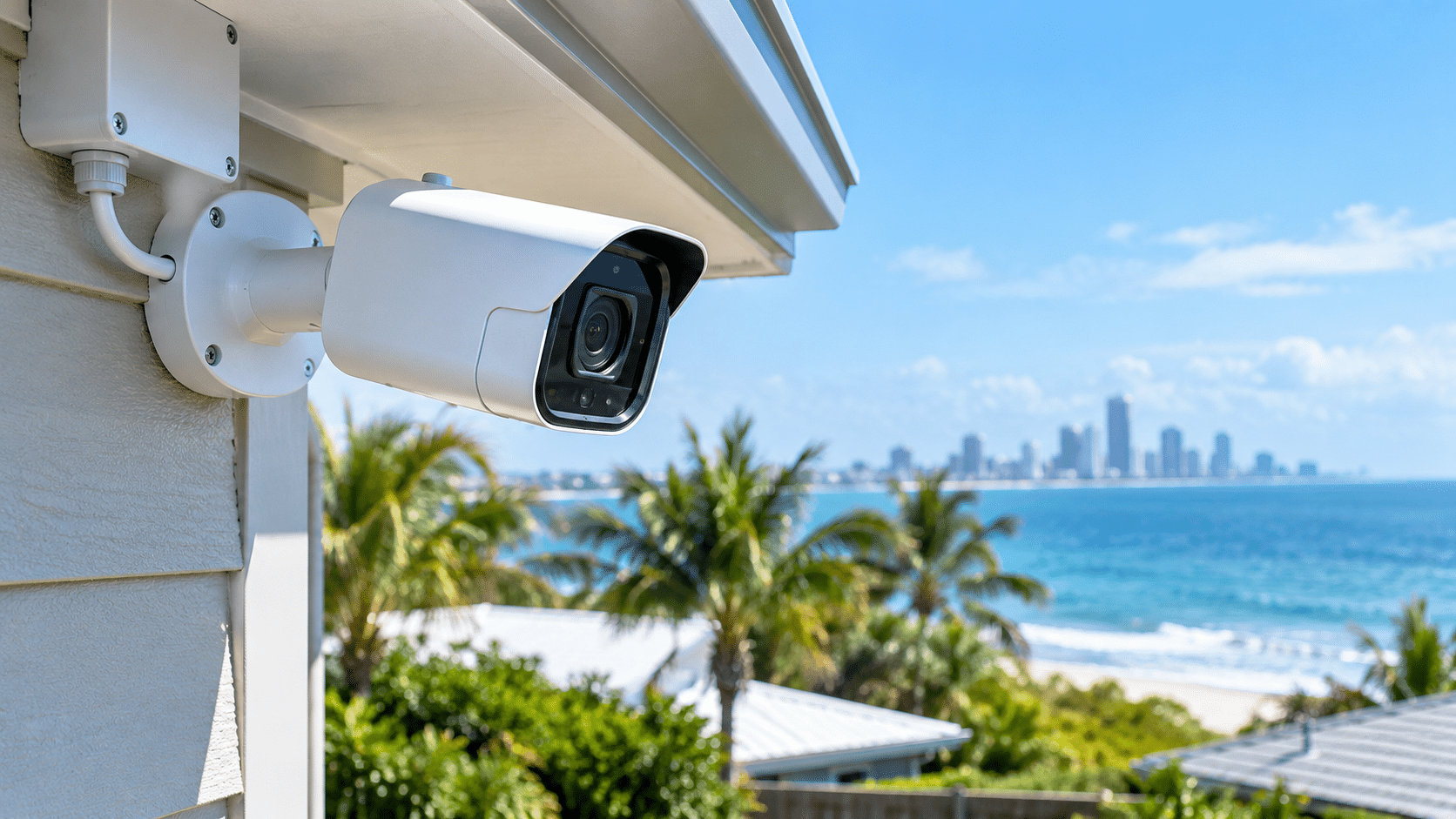
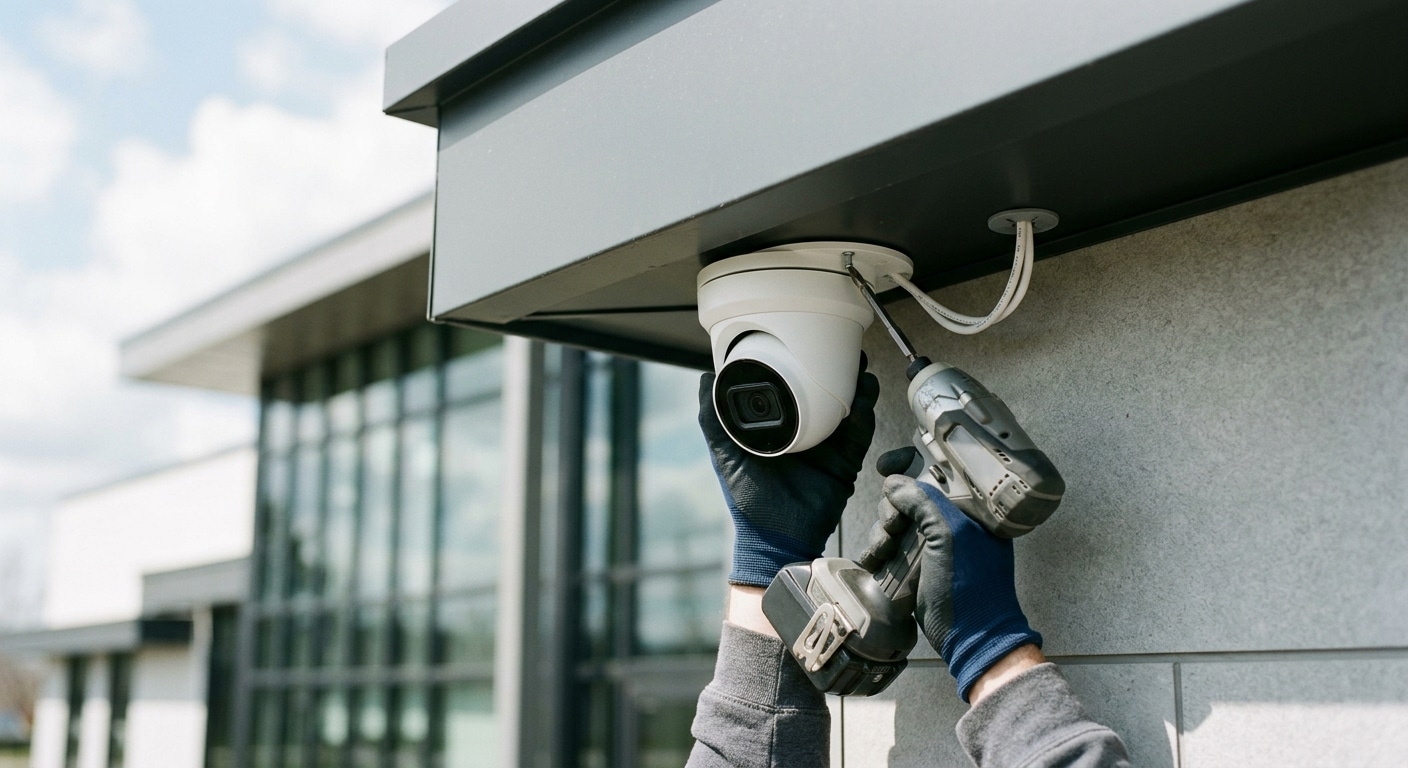
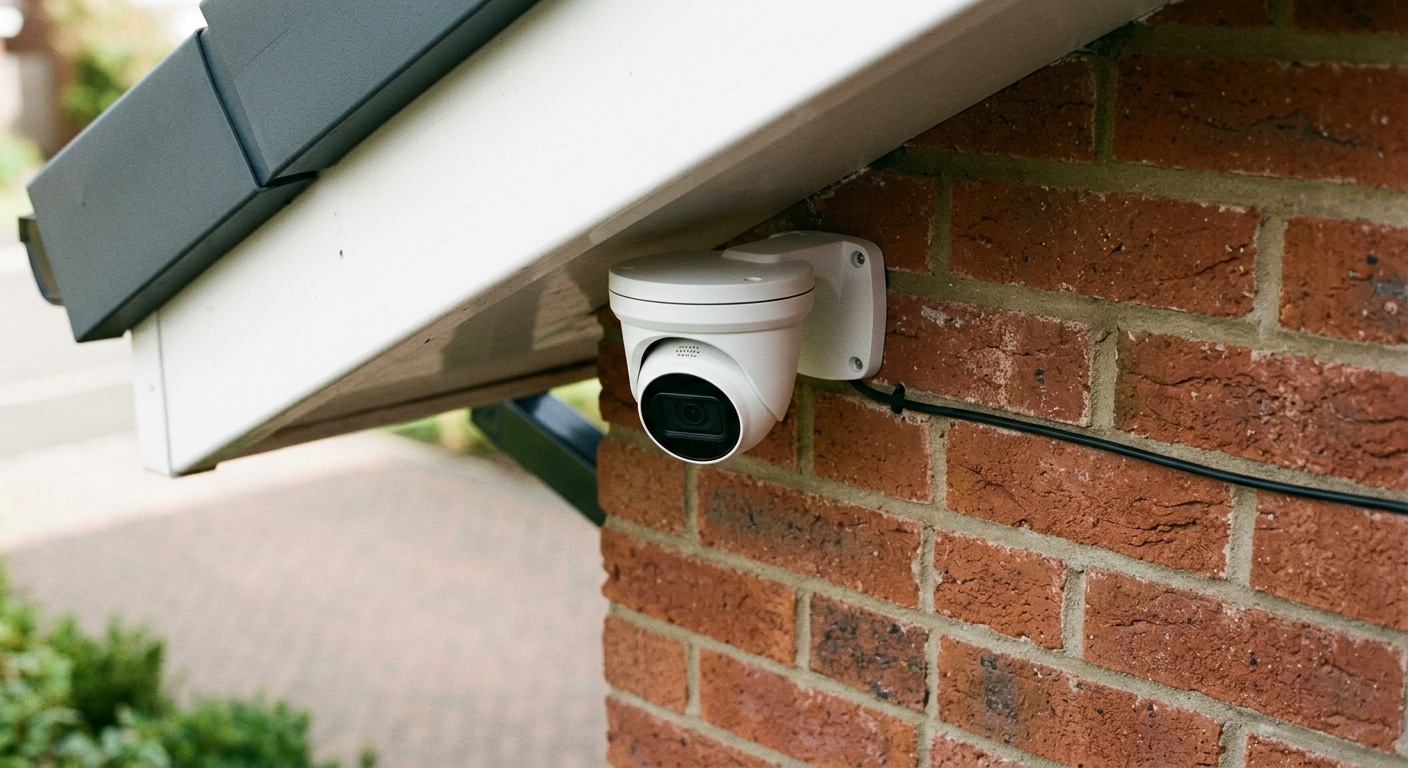
You can use home security cameras to watch your driveway, front door, side gate and other parts of your property. The important thing is to point them carefully, respect other people’s privacy and avoid recording private activities.
When planning CCTV installation on the Gold Coast, think about what you need to protect before choosing where each camera will go. A small change in camera angle can help you watch your own property without pointing directly into a neighbour’s home or private area.
Start by focusing on your own property
The best place for a security camera is usually where it can clearly show an entry point or area you want to protect. You do not need to record every part of the street or your neighbour’s yard to make a useful security system.
Walk around your property and identify the areas that matter most. These may include:
- Your front door and entry path.
- Your driveway and garage door.
- A side gate or rear entrance.
- A shed or other area where you keep valuable items.
- A path leading to the back of your home.
For example, a homeowner in Robina may want to see who approaches the front door and whether a vehicle enters the driveway. In Varsity Lakes, a home with a side path or rear gate may need a different camera position.
Plan each camera around a clear purpose. This helps avoid unnecessary views and makes it easier to decide how many cameras you actually need.
Queensland privacy rules matter when placing cameras
Queensland has laws that may apply to video and audio recording. Recording someone in a place where they can reasonably expect privacy, such as a bathroom, without their consent can be a criminal offence. Recording private conversations can also raise legal issues.
This does not mean you can never capture anything beyond your fence. The important details include what is being recorded, the circumstances and whether the recording affects another person’s privacy.
A camera that captures part of a public footpath is different from one aimed into a neighbour’s bedroom or private courtyard. Do not assume every view outside your property is automatically allowed, or that owning the camera gives you unlimited recording rights.
If you are unsure about a particular camera angle, check the relevant Queensland guidance or seek legal advice. Careful placement is a sensible first step.
Avoid pointing cameras into a neighbour’s private areas
A common source of disagreement is a camera that appears to watch a neighbour rather than the property it is meant to protect.
Avoid aiming a camera directly at a neighbour’s windows, private courtyard or areas where people may reasonably expect privacy. This is especially important when homes are close together or back onto each other.
Before fixing a camera in place, check the view from its proposed position. Ask yourself:
- Can I see my own gate, driveway or entry clearly?
- Is most of the picture focused on my property?
- Does the camera look directly into a neighbour’s window?
- Could a small change in angle reduce unnecessary recording?
If the camera captures more of the neighbouring property than needed, adjust the angle. The goal is to record the area you need to protect, not to watch what other people do at home.
Camera placement is only one part of a good CCTV setup. You also need to think about how outdoor cameras handle the local weather. Read our guide on how salt air damages outdoor security cameras on the Gold Coast to learn what to look for when choosing and protecting cameras near the coast.
Use privacy masking when a camera sees too much
Some CCTV systems include a feature called privacy masking. It lets you block out parts of the picture so that selected areas are not shown in the recording. The feature and its limits depend on the camera and recording system.
For example, if your driveway camera also sees part of a neighbour’s window, a privacy mask may help hide that section. It can also be useful where a camera must cover your front path but the edge of the image includes an area you do not need to record.
Privacy masking is not a substitute for choosing the right camera position. Start by aiming the camera correctly, then check whether masking can reduce any remaining unwanted view.
Test the result using both live viewing and recorded footage. Some systems may handle privacy settings differently across live view, playback or exported recordings.
Check camera height, angle and night vision
A camera mounted too high may show the top of someone’s head but not enough facial detail. A camera mounted too low may be easier to reach or interfere with normal activity around an entry.
The best height depends on the camera, the area being watched and the type of detail you need. Test the view before drilling holes or fixing the camera permanently.
Also check what happens at night. Outdoor lights, reflective surfaces and infrared night vision can affect how clearly a camera records people approaching your home.
A useful test is to walk through the area during daylight and after dark, then review the recordings. Check whether the entry is visible, whether faces can be seen at a useful distance and whether lights create glare.
Check the rules for shared driveways and body corporate properties
Units and townhouses can be more complicated than detached homes. A camera may face a shared driveway, common walkway, visitor parking area or another part of the property used by several residents.
If you live in a community titles scheme, check the applicable body corporate rules and approval process before installing a camera on common property or changing shared areas. Queensland body corporate guidance also highlights the need to consider other residents’ use and enjoyment of their property.
Do not assume you can attach equipment to a shared wall or record a common area without checking first. If you rent, ask your property manager or owner about permission before making changes to the building.
Planning these details early can prevent problems after the camera has been installed.
Test the view before you finish the installation
Before the system is ready to use, check each camera’s field of view and review actual recordings. A picture that looks fine on a phone screen may reveal unwanted areas when you view the full recording.
Use this final checklist:
- The camera covers the entry or area you want to protect.
- Neighbouring private areas are not unnecessarily included.
- Privacy masks are set up where needed and work as expected.
- Day and night footage show useful detail.
- The camera is secure and its cables are properly installed.
- Any required permission for shared areas has been checked.
For homeowners in Robina, Varsity Lakes and across the Gold Coast, good camera placement starts with a clear purpose and respect for privacy. If you are unsure where to position a camera, plan the view before installing it.
Contact GC Data Cabling to discuss your CCTV installation and work out a suitable camera layout for your property.