Salt air, humidity and rain can damage outdoor security cameras over time. You may notice rust on the fittings, a cloudy picture or a camera that keeps losing its connection.
If you live on the Gold Coast, choosing the right CCTV installation on the Gold Coast means thinking about more than picture quality. You also need to consider the camera’s location, the materials used, cable protection and how easy the system will be to maintain.
Salt air can damage camera parts over time
Salt carried in the air can settle on outdoor equipment. When moisture is also present, it can help cause corrosion on some metals and connections.
The camera body is not the only part that needs protection. Screws, brackets, cable connections and junction boxes may also be exposed to the weather.
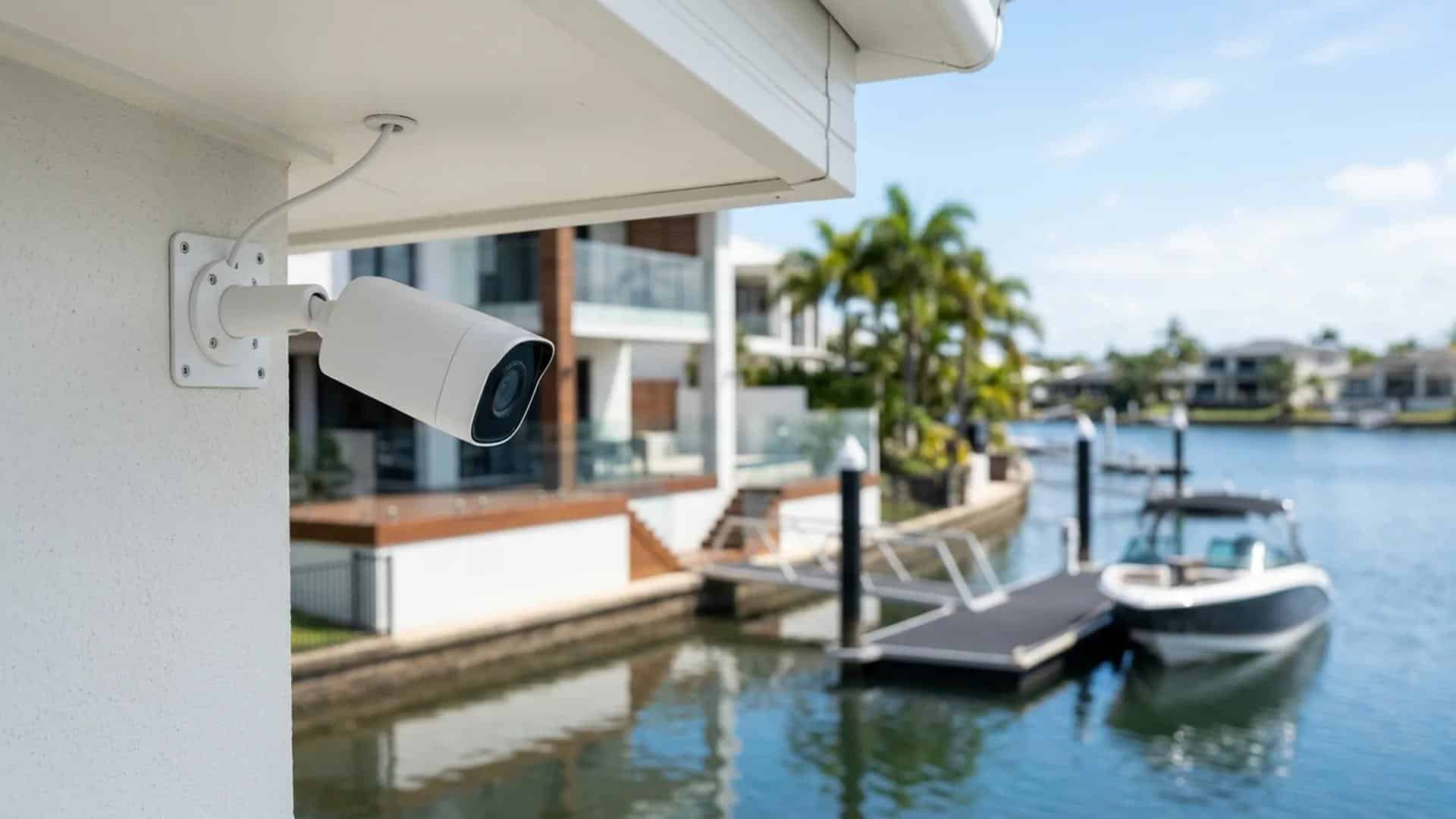
Homes in Burleigh and Palm Beach can face different levels of salt exposure. A house close to the beach may have more direct exposure than a home further inland or one with more shelter.
This is why it is important to choose equipment that suits the conditions at your property. A camera made for outdoor use may still need extra care when installed in a coastal area.
Weatherproof cameras still need the right protection
A weatherproof rating tells you about certain types of protection against water and dust. However, it does not automatically mean a camera can handle every coastal condition.
Before buying outdoor security cameras, check the manufacturer’s information for the camera and its accessories.
Ask these simple questions:
Is the camera suitable for the place where it will be installed?
Are the brackets and screws suitable for the local conditions?
Are the cable connections protected from rain and moisture?
Is the junction box suitable for outdoor use?
Does the manufacturer give clear cleaning and care instructions?
Do not assume that every part has the same level of protection as the camera itself. A weak or exposed connection can cause problems even when the camera body is in good condition.
Poor cable work can let water into the system
A good camera can still have problems if the cables are not installed properly. Water may enter through poorly finished holes in walls, gaps around cables or unsuitable junction boxes.
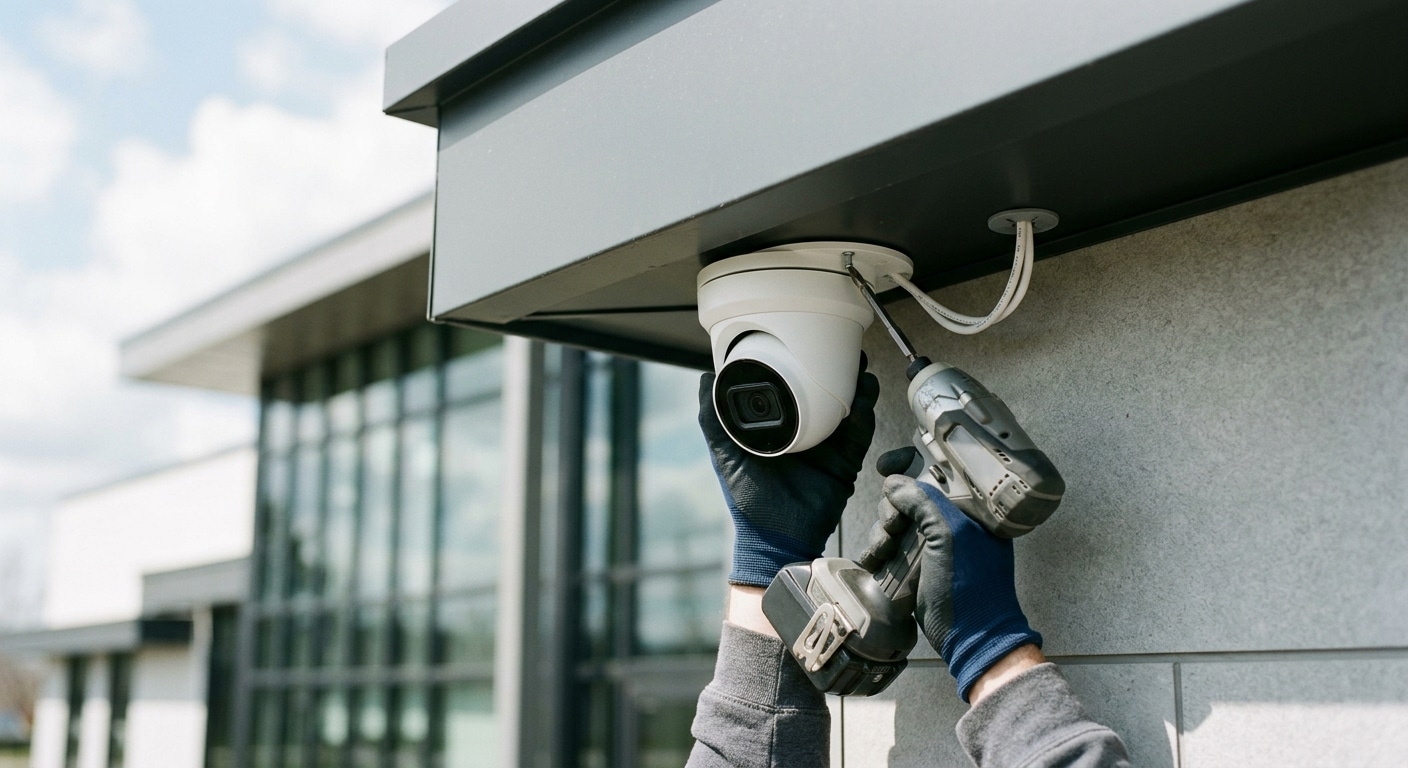
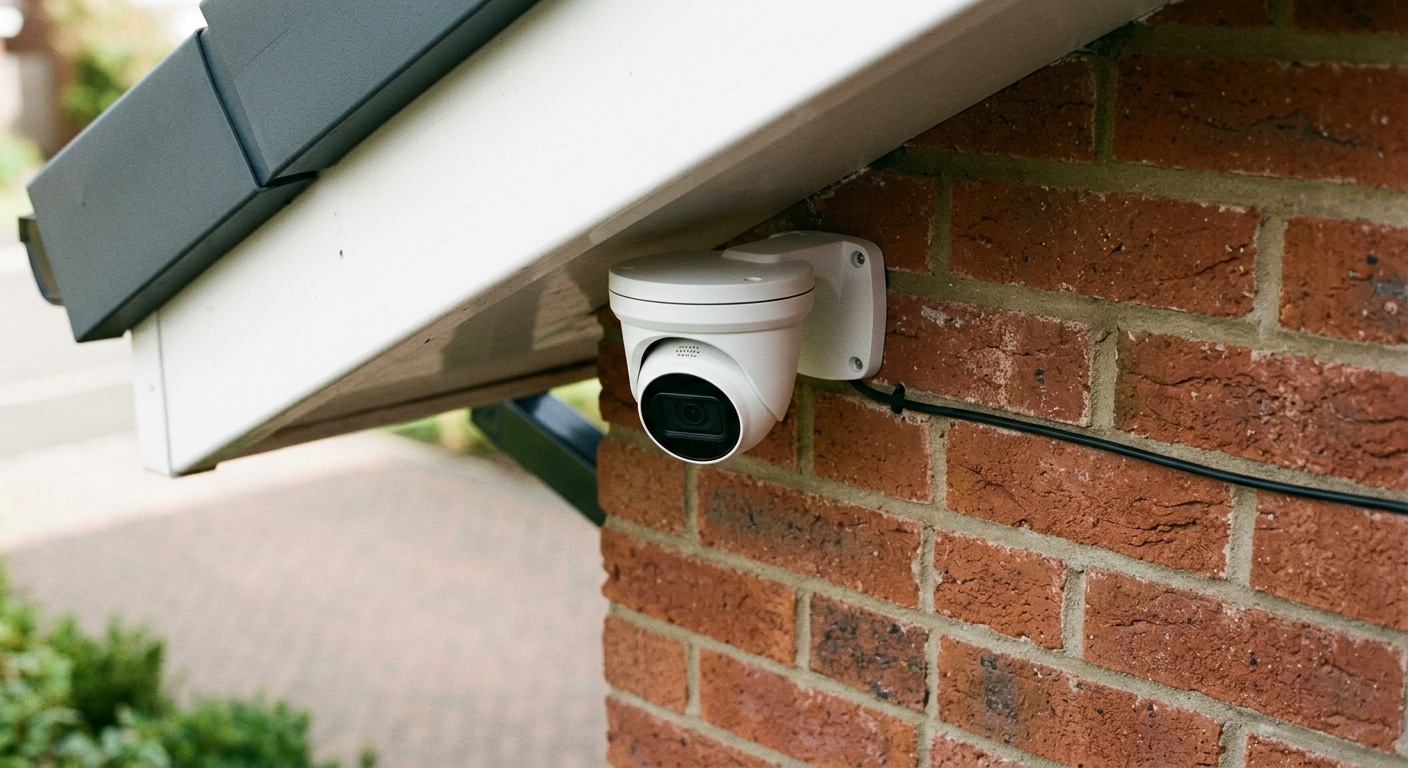
Look at how the cables run from the camera to the wall or roof. Cables should be secure and neatly arranged, not hanging loosely or left with exposed connections.
A good installation should include:
Cables held firmly in place.
Wall holes and cable entry points sealed correctly.
Connections protected as the manufacturer recommends.
Secure fittings that suit the mounting surface.
Cable routes that can be checked and repaired when needed.
The sealing method must suit the wall, the equipment and the weather exposure. [VERIFY: confirm suitable sealing products and any building or electrical requirements for the installation.]
Neat cabling is not just about making the job look good. It also makes future repairs easier and helps technicians find problems without pulling apart the whole system.
Camera position affects its exposure to the weather
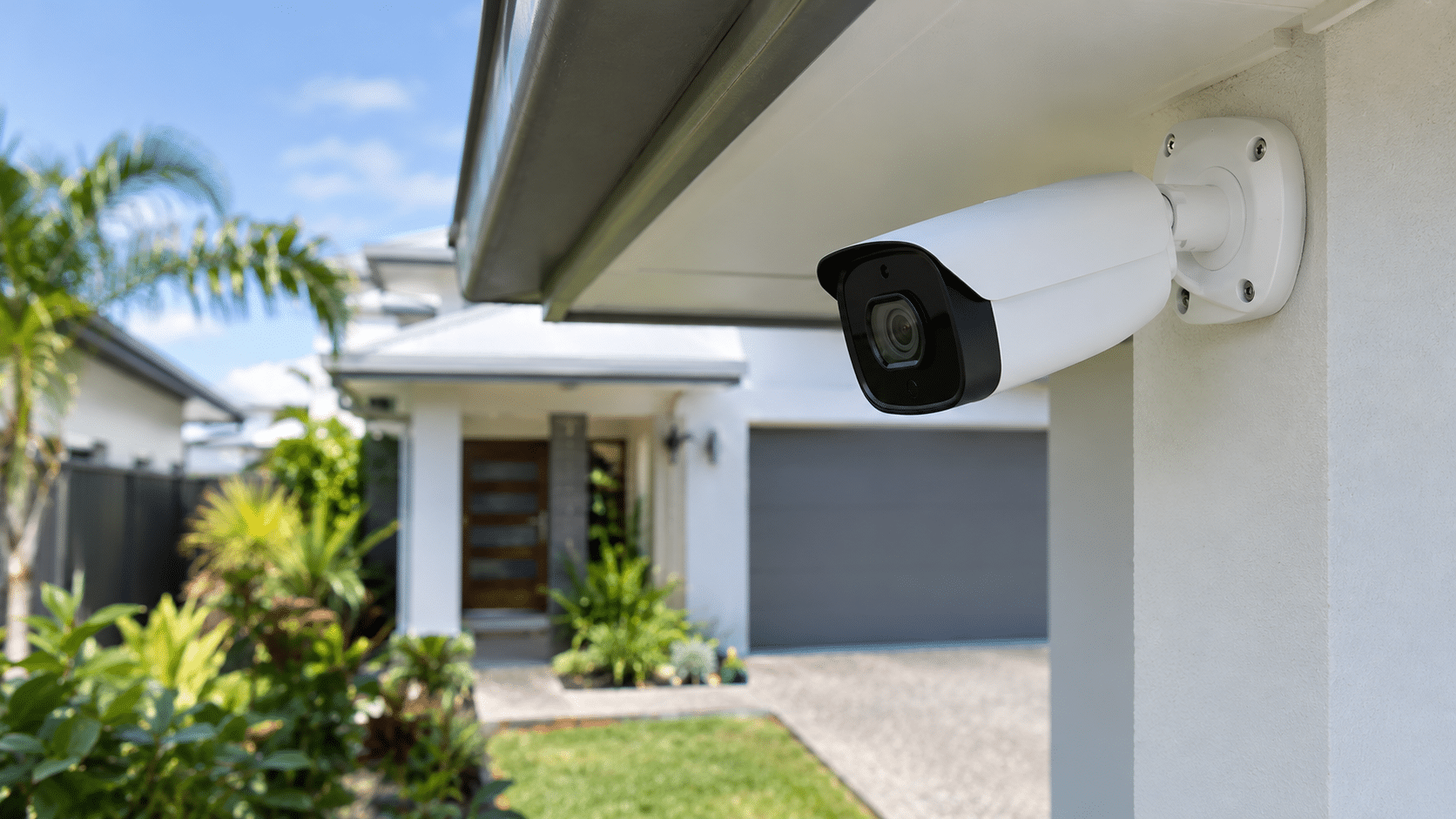
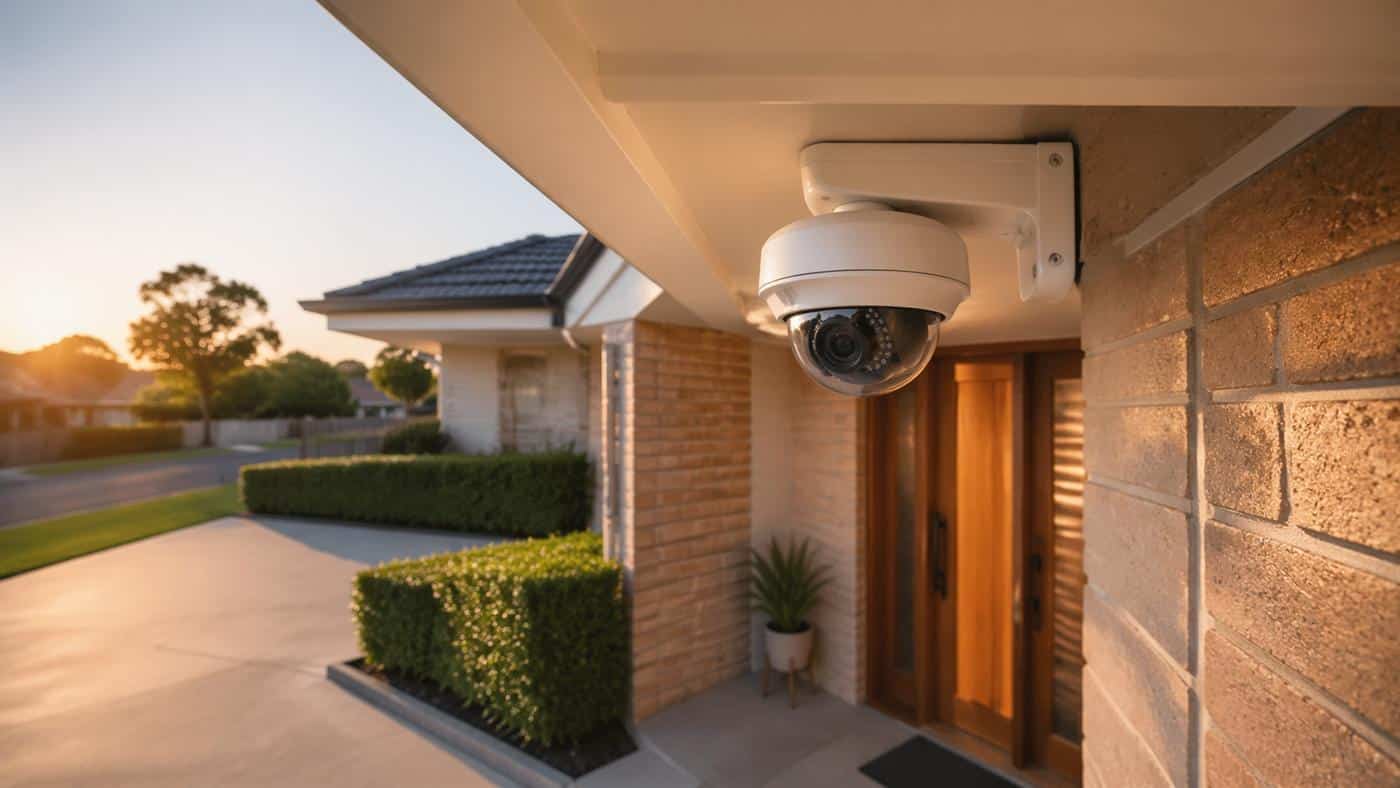
Some parts of a house offer more shelter than others. A camera under an eave may receive less direct rain than one mounted on an exposed wall. However, shelter does not remove all the salt or moisture in the air.
Before choosing a mounting point, check:
How much rain and wind can reach the camera.
Whether water can collect around the fittings.
Whether the camera faces the area you need to monitor.
Whether trees, walls or other objects block the view.
Whether the camera can be reached safely for future maintenance.
Think about the picture as well as the weather. A camera facing direct sunlight may struggle to show clear detail at certain times of day. A camera placed too far from a driveway or entry may show movement without enough detail to identify what happened.
Check the camera’s view before drilling any holes. Make sure it covers the area you need without unnecessarily recording your neighbours’ private spaces.
If you are comparing security cameras on the Gold Coast, choose a camera based on the job it needs to do and the conditions where it will be installed.
Wi-Fi problems are not always caused by salt damage
If a camera keeps disconnecting, salt damage may not be the cause. A weak Wi-Fi signal, interference, power problems or a damaged cable can also affect the connection.
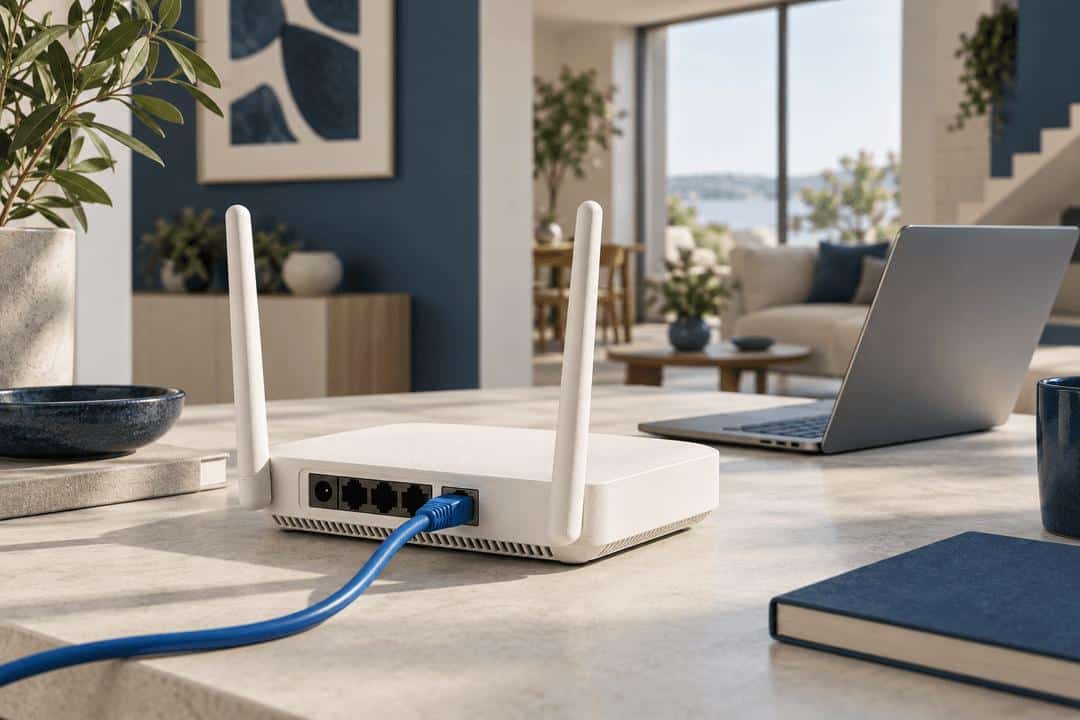
Check the Wi-Fi signal at the exact place where the camera will be installed. A strong signal beside your router does not mean the signal will be strong outside, across the house or under the eaves.
For cameras that need a steady connection, ask whether a wired system would be a better choice. A wired camera can avoid Wi-Fi problems for that connection, although the cables and fittings must still be installed correctly.
You can learn more in GC Data Cabling’s guide to choosing the right CCTV cameras for residential properties on the Gold Coast
After installation, test every camera. Check the live picture, saved recordings, playback and phone alerts. This helps you find problems before you need the footage.
Simple checks can help you spot early damage
Check your cameras from time to time, following the manufacturer’s care instructions. You do not need to open the camera or touch electrical connections to spot many common problems.
Look for:
Rust or white deposits around screws and metal fittings.
Loose brackets or cracked camera housings.
Damaged cables or loose cable entry points.
A cloudy picture or signs of moisture inside the viewing area.
Cameras that keep disconnecting or restarting.
Missing recordings or alerts that no longer work.
Clean salt from accessible surfaces only as the manufacturer allows. [VERIFY: confirm the approved cleaning method, products and frequency for the selected camera.]
Do not open sealed equipment or cover gaps with random sealants. If you notice damage, have the camera and its connections checked by a qualified technician.
The problem may come from the camera, its power supply, the cabling or the network. Checking these parts together can help find the real cause.
Choose a system that suits your coastal home
For homes in Burleigh, Palm Beach and across the Gold Coast, a reliable CCTV system starts with the right equipment and careful installation.
Before choosing a system, ask about weather exposure, cable protection, camera position and future maintenance. These details matter just as much as the picture quality advertised on the box.
If you are planning a new system or replacing cameras that have started to fail, contact GC Data Cabling to discuss your installation requirements!