An in-home security assessment helps you understand what security equipment your property needs before you receive a written price. The installer looks at your home, checks the areas you want to protect and discusses suitable options with you.
If you are considering CCTV installation on the Gold Coast, this visit can help you understand where cameras should go, how the cables will run and what is needed to make the system work properly.
It is also a chance to explain your concerns and ask questions before deciding what to install.
The installer starts by understanding your security concerns
The first step is a conversation about your property and what you want to protect. Every home is different, so the installer needs to understand your concerns before suggesting equipment.
You might want to see who comes to your front door, monitor your driveway or keep an eye on a side gate. You may also have concerns about a dark area, a rear entrance or a shed.
The installer may ask:
- Which areas of your home are you most concerned about?
- Have you had any security problems before?
- Do you want to check cameras from your phone?
- Do you need recordings that you can review later?
- Are you interested in an alarm as well as cameras?
For homeowners in Carrara, this could mean checking the driveway, garage and side access. In Mudgeeraba, a property with a larger yard or several outdoor entry points may need a different plan.
The aim is to understand what matters to you, rather than recommend equipment you may not need.
The installer checks the layout of your property
Next, the installer looks at the areas where security equipment could be placed. This helps identify useful camera positions and any problems that could affect the installation.
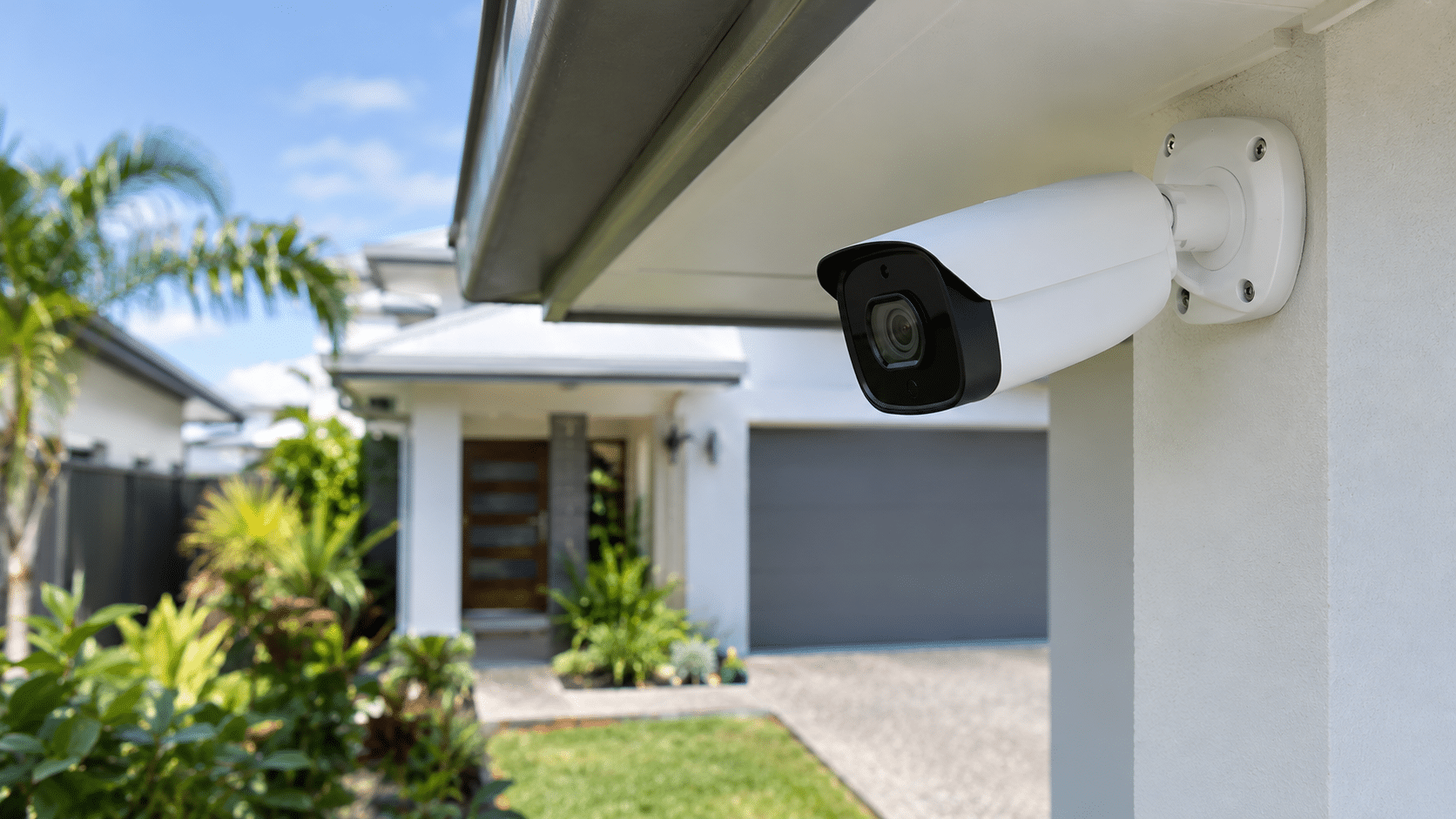
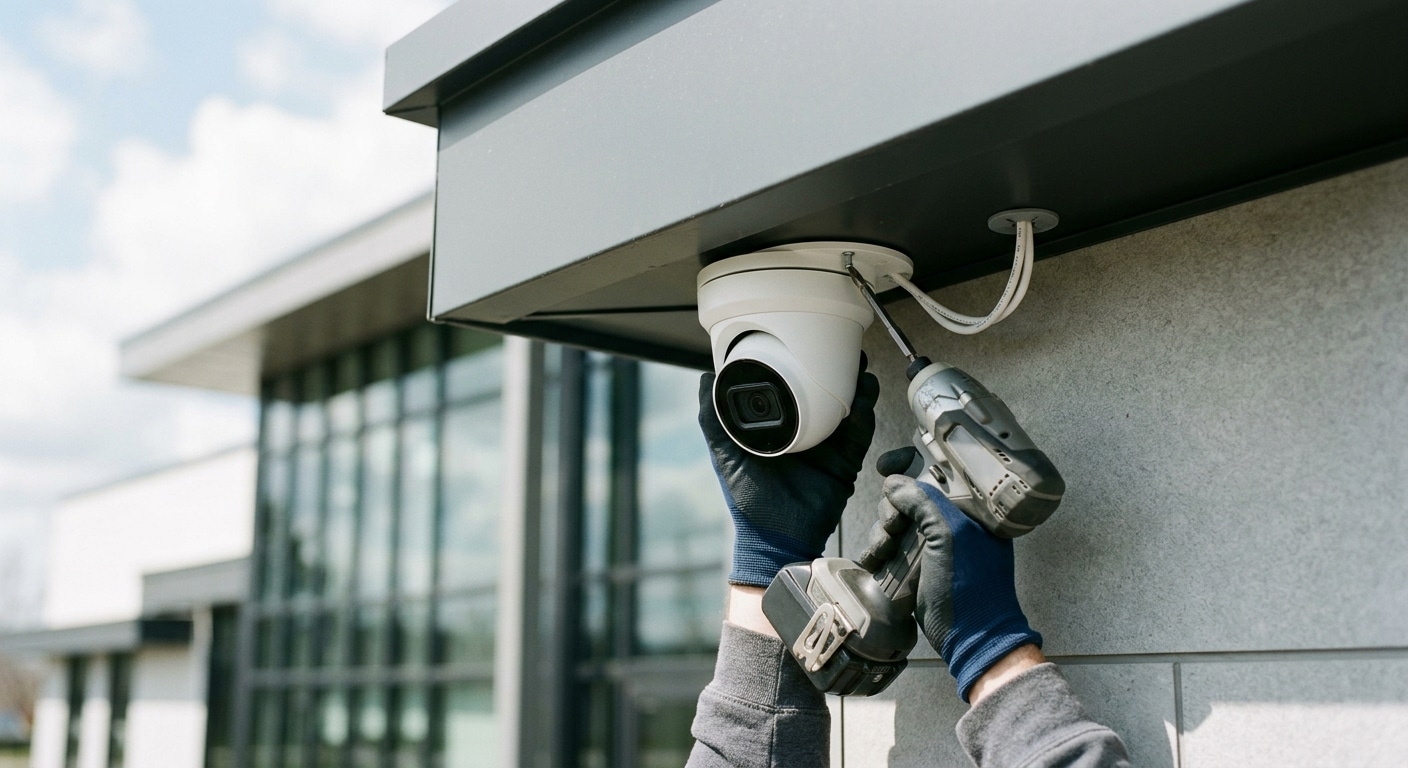
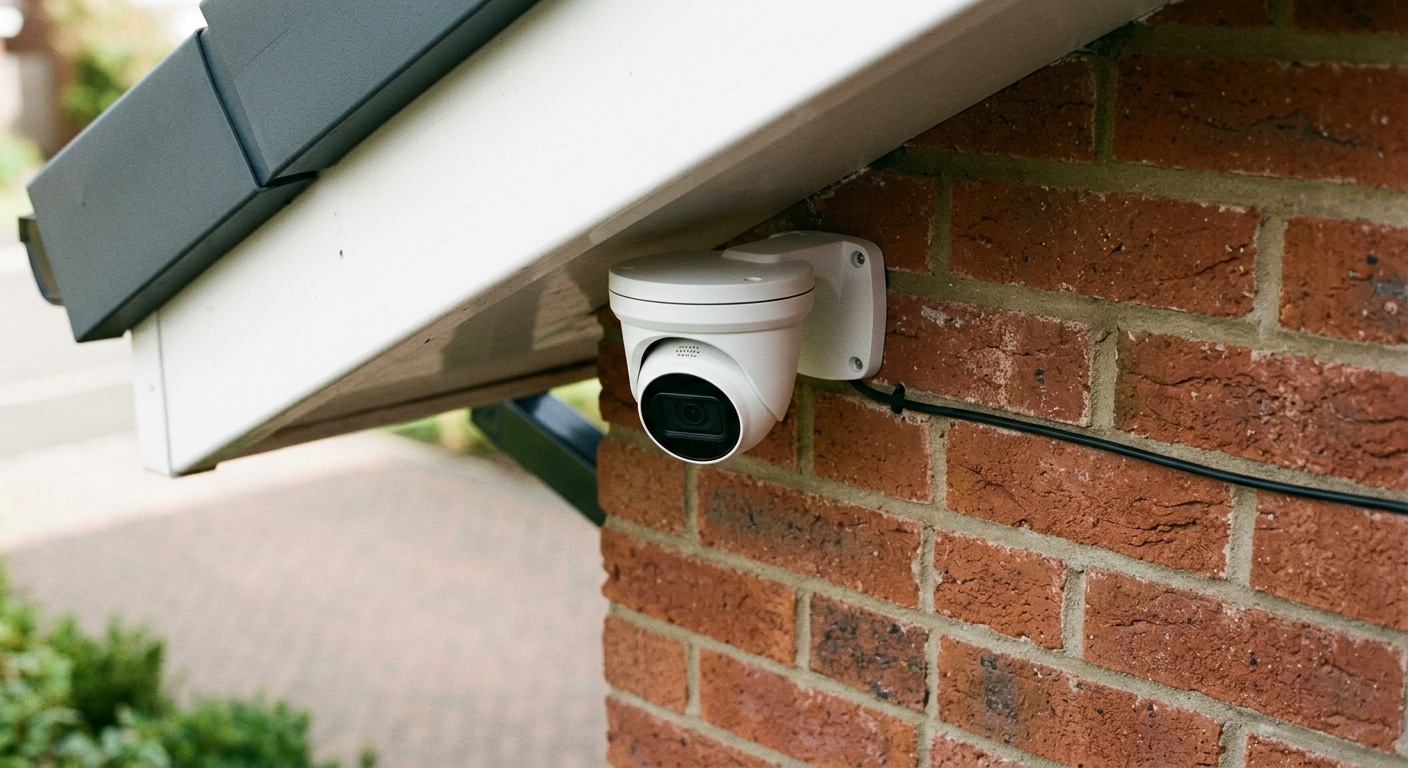
For CCTV, the installer may check the front entrance, driveway, garage, side paths and rear access. They will consider what each camera needs to show and whether walls, trees, roofs or other objects could block the view.
A camera should not be chosen based on its picture quality alone. Its position and viewing angle also affect how useful the footage will be.
The installer should also consider neighbouring properties. A camera should focus on the areas you need to protect without unnecessarily recording a neighbour’s private spaces.
If you want to understand more about this, read our guide to where you can point a home security camera in Queensland. It explains why camera placement and privacy need to be considered together.
Camera positions and cable routes are planned together
Once the main areas have been identified, the installer can consider where each camera should go and how it will connect to the rest of the system.
This is an important part of planning. A position may offer a good view but be difficult to reach with cables. Another position may be easier to install but leave part of the driveway outside the camera’s view.
The installer may check:
- Whether the camera has a clear view of the area.
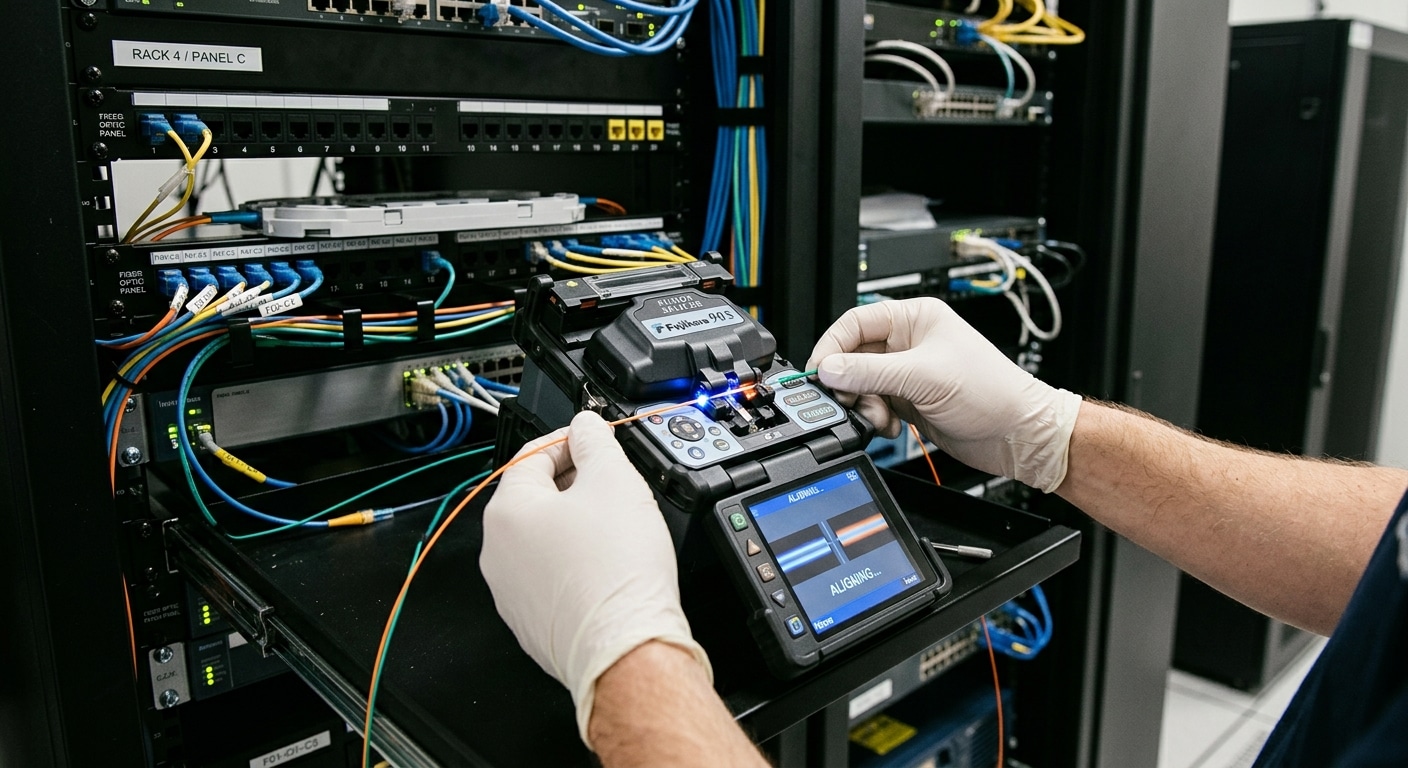
- Where cables can run through the roof space, walls or other suitable routes.
- Where power and network connections are needed.
- Whether outdoor connections need suitable weather protection.
- Whether the camera can be reached safely for future maintenance.
The best cable route is not always the shortest one. It should suit the building, protect the cables and allow the system to be maintained.
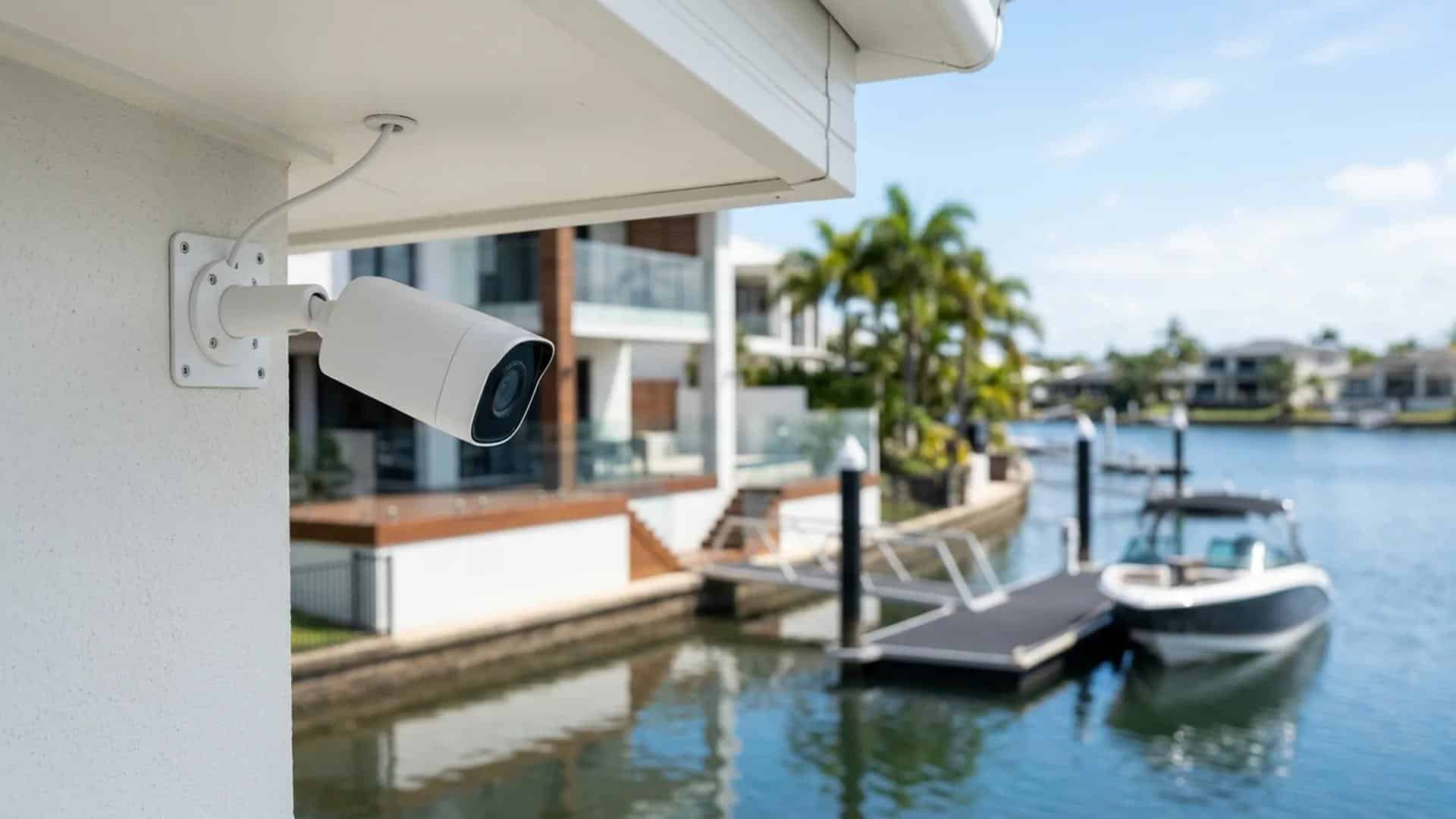
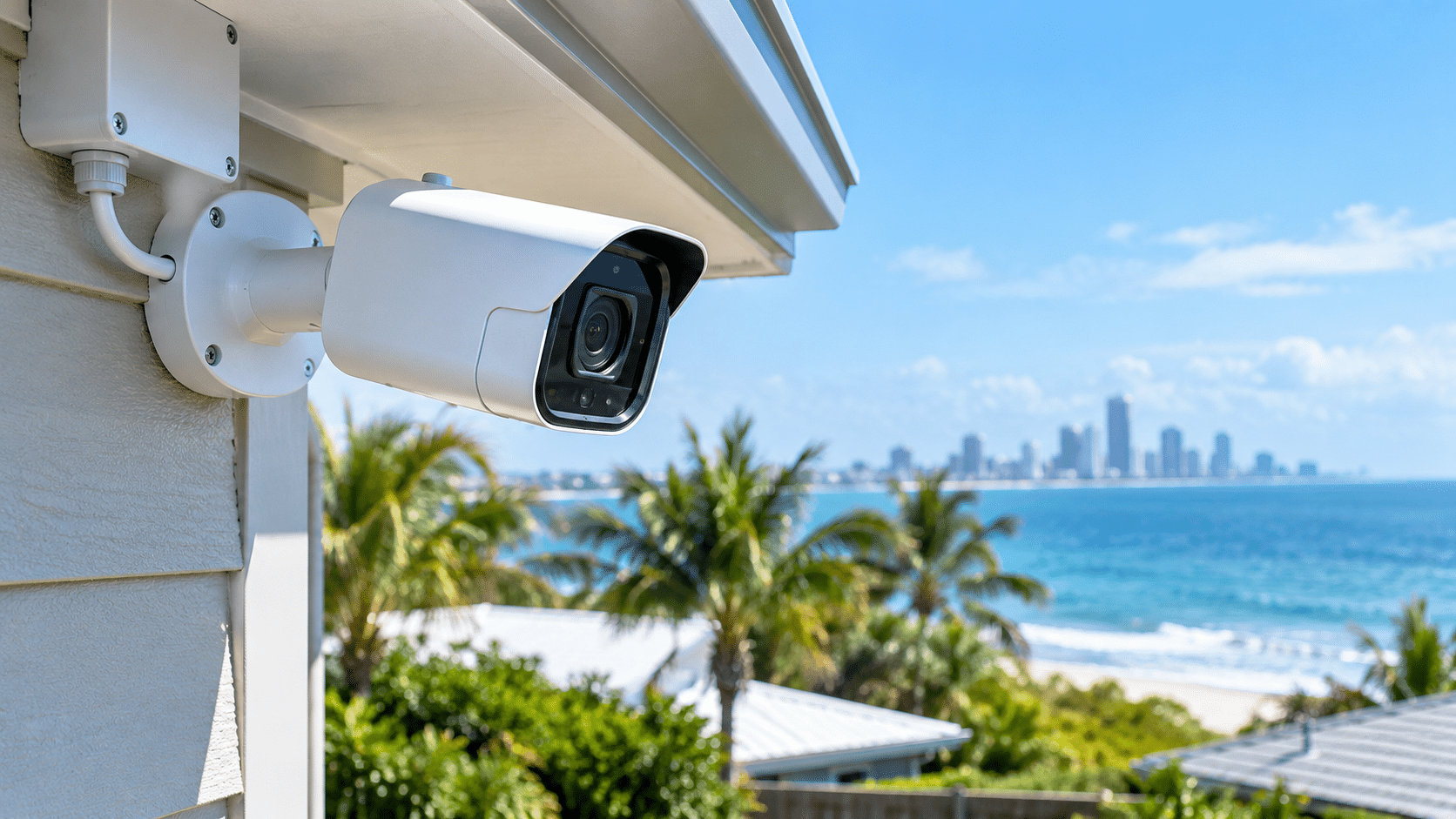
For example, an outdoor camera needs more than a secure mounting point. Its cable entry and exposed connections must also be considered as part of the installation.
Your internet connection and Wi-Fi are checked
If you want to view your cameras on your phone, your network setup is another important part of the assessment.
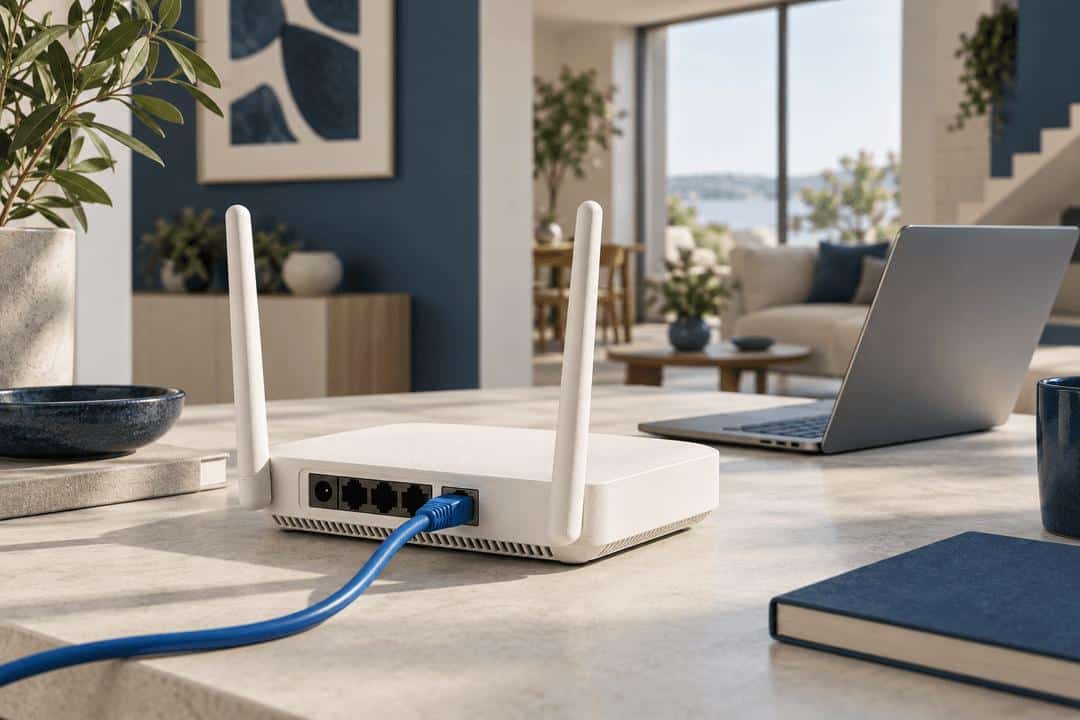
The installer may ask where your router is located and whether your internet connection already works well throughout the home. For Wi-Fi cameras, the signal needs to reach the planned camera locations, not just the rooms near the router.
Walls, distance and the layout of the house can affect wireless coverage. A camera that repeatedly loses its connection may not give you the reliable access you expect.
Depending on the property, a wired camera connection may be worth considering. The right option depends on the camera system, the cable routes and how you plan to use the footage.
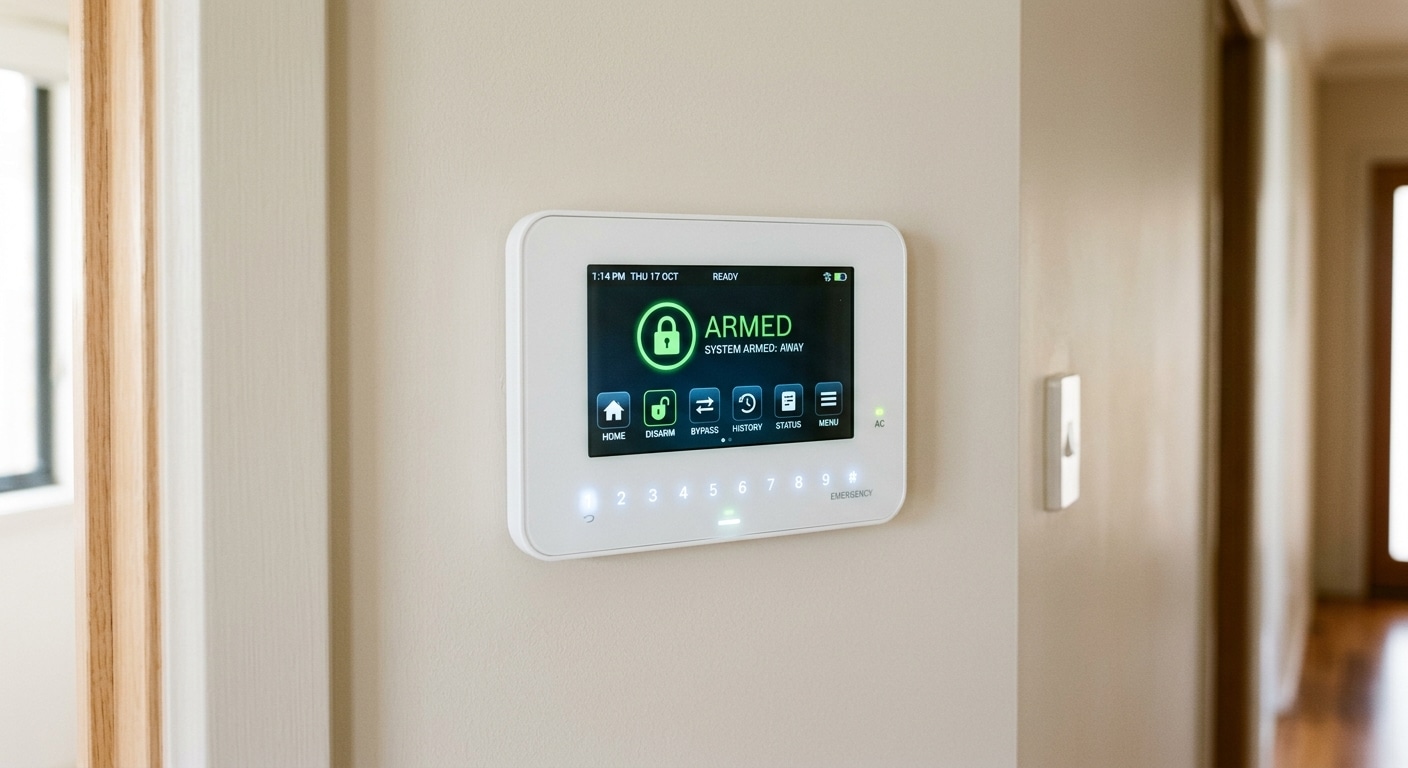
If an alarm is also part of your plan, the installer can discuss where its main components and sensors may be placed. The aim is to make sure the equipment suits the property and your security needs.
The installer explains suitable equipment and options
After checking the property, the installer can explain the equipment options that fit your requirements.
This may include the number of cameras, the type of camera needed for each area, recording capacity and how you will view footage. If you are considering an alarm, its features and the areas it needs to cover can also be discussed.
More equipment does not always mean better security. A smaller, well-planned system may be more useful than several cameras that do not show the areas you care about.
You should understand the main differences between the options before making a decision. Ask why a particular camera position has been recommended and whether there are simpler alternatives.
For homes that need more than cameras, a suitable security alarm system may be worth discussing as part of the wider plan.
The written price should explain what is included
Once the requirements are clear, the next step is to review the written price. This should make it easier to understand what you are paying for and what work is planned.
Check that the written price explains the main parts of the job, including:
- The equipment being supplied.
- The number and planned locations of the cameras.
- The installation work and expected cable routes.
- Any extra work needed to complete the installation.
- The main features included in the proposed system.
If anything is unclear, ask before approving the work. For example, check whether recording equipment, phone access, extra cable work or changes to the existing network are included where relevant.
The written price should reflect the system discussed during the visit. If you change the number of cameras or add an alarm, confirm how those changes affect the final scope and price.
A clear assessment helps you make a better decision
An in-home security assessment is about understanding your property before deciding what to install. It gives you an opportunity to discuss your concerns, review possible camera positions and understand the work involved.
Before the visit ends, make sure you know what the installer recommends and why. Ask any questions you have about camera coverage, cable routes, recording and ongoing use.
For homeowners in Carrara, Mudgeeraba and across the Gold Coast, careful planning can help avoid poorly placed cameras, untidy cables and unexpected work during installation.
If you are planning a new system, contact GC Data Cabling to discuss your security installation and the next steps for your property.